


Glittering Stones >> Body
Body
Brooch
Aquamarine, platinum, and also diamond brooch/pendant worn by Mrs. Lyndon B. Johnson during the presidency of her husband’s Brooch (also known as broach or in ancient times fibula), it is a decorative jewelry item designed to be attached to the cloths you were. It is usually made up of metal, often silver and gold but sometimes bronze or some other material. Brooches are regularly decorated with enamel and also with gemstones and may be solely for ornament (as in the stomacher), or sometimes serve a practical function as a fastening, perhaps for a cloak.
The earliest known brooches are from the Bronze Age. As fashions in brooches changed rather fast, they are very important chronological indicators.
The Fibula (or Fibulae plural) is an ornamental clasp used by Romans, Greeks and also by Celts and migratory tribes in Europe during the period from 1000 BC to 800 AD. They were shaped somewhat like a large safety pin and were used to hold clothing together. They came in many varieties and held prominent significance for the identity of the wearer. They were usually made of bronze and sometimes of precious metals and infrequently had encrusted gem stones. Eagle fibula, often worn in pairs, commemorates the worship of the Sun, common among the pagan tribes. Ancient fibulae are prized items for collectors, since they are well preserved in many cases and are not difficult to obtain; they present in a fascinating stones array of shapes and décor
NOVEMBER BIRTHSTONE - CITRINE
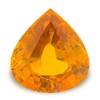
COMMEMORATIVE EVENT - 13th Anniversary
KEYWORDS - Success, Abundance, Personal Power
ALSO KNOWN AS - Merchant's stone, Success stone
COLORS - Pale yellow to brown
OCCURRENCE - Brazil
COLOR ZONING - Tiger stripes or Zebra stripes
 |
|