


Glittering Stones >> semi precious stones >> Jaspers
Semi Precious Stone Jaspers
Jasper is an opaque, impure variety of quartz that is normally red, yellow and brown in color. This mineral breaks with a smooth surface, and is often used mainly for ornamentation or as a gemstone. It could be highly polished and is used for vases, seals, and at one time for snuff boxes. When the colors are in stripes and bands, it is known as striped or banded jasper. Jaspilite is banded iron formation rocks that are often has distinctive bands of jasper. The Egyptian pebble is brownish-yellow jasper.

Historical Facts Of jasper
Hardness: 7
Sign of the Zodiac: Aries, Virgo
Month of the year: October
Popular names: Striped or Banded Jasper
Color: Red, yellow or brown in color
Types of Jasper: Brown jasper, Picture jaspers, Orbicular jasper, Leopard skin Jasper, Poppy Jasper, Opalite Jasper
Occurrence: France, Germany, India, Russia, Venezuela and USA (Arizona, California, Utah and Wyoming)
Gem stone Jade Jewelry
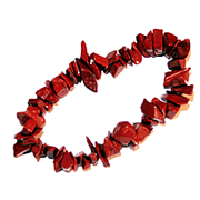
Bracelet |
 |
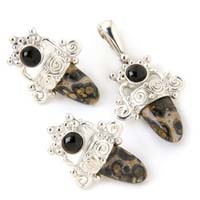
Earring |
 |
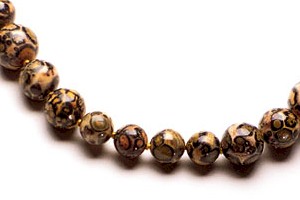
Necklace |
 |
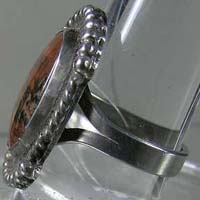
Rings |
 |
NOVEMBER BIRTHSTONE - CITRINE
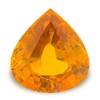
COMMEMORATIVE EVENT - 13th Anniversary
KEYWORDS - Success, Abundance, Personal Power
ALSO KNOWN AS - Merchant's stone, Success stone
COLORS - Pale yellow to brown
OCCURRENCE - Brazil
COLOR ZONING - Tiger stripes or Zebra stripes
 |
|