


Glittering Stones >> Semi precious stones >> Lapis lazuli
Semi Precious Stone Lapis lazuli
Lapis lazuli, also known as just lapis, is one of the stones which have the longest tradition of being considered a gem, with a history stretching back to 5000 BC. Deep blue in color and opaque, this gemstone was highly prized by the pharaohs of the ancient Egypt, as could be seen by its prominent use in many of the treasures recovered from the paranoiac tombs. It is still extremely popular today.
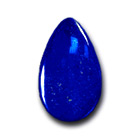
Historical Facts of Lapis Lazuli
Refractive Index: 1.5
Chemical Composition: Mixture of minerals
Hardness: 5.5
Crystal habit: Compact, Massive
Density: 2.7-2.9
Luster: Dull
Color information: Blue, Greenish-blue, Violet Blue
Uses: Jewelry, Carvings, Boxes, Mosaics, Ornaments and Vases
Ocurrence: Afganistan, Pakistan, Chile, Russia, U.S.A., Angola, Burma, Canada, India
Gemstone Jewelry Lapis Lazuli
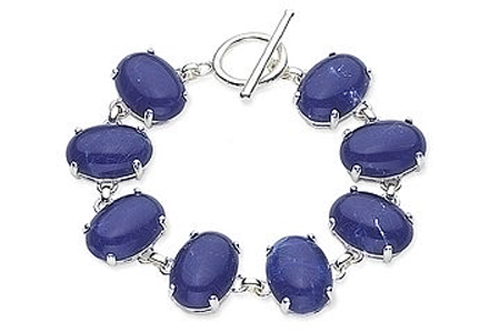
Bracelet |
 |
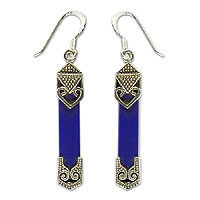
Earring |
 |
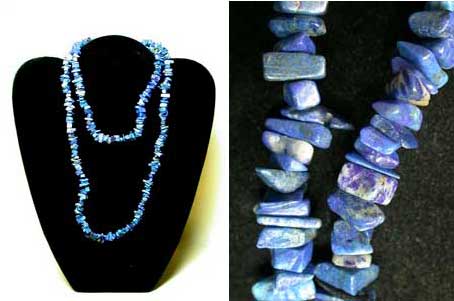
Necklace |
 |
Ring |
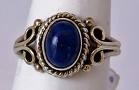 |
NOVEMBER BIRTHSTONE - CITRINE
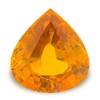
COMMEMORATIVE EVENT - 13th Anniversary
KEYWORDS - Success, Abundance, Personal Power
ALSO KNOWN AS - Merchant's stone, Success stone
COLORS - Pale yellow to brown
OCCURRENCE - Brazil
COLOR ZONING - Tiger stripes or Zebra stripes
 |
|