


Glittering Stones >> Semi Precious Stones >> Opal
Semi Precious Stone Opal
The mineral opal is amorphous hydrated silica, its water content sometimes being as high as 30%. Being amorphous has no crystal form, occurring in its irregular veins and masses. It has concordat fracture, hardness 5.5-6.5, specific gravity 2.1-2.2, and a highly variable color. Opal ranges from colorless through white, milky blue, gray, red, yellow, green, and also brown and black. Often many of these colors could be seen at once, caused by interference from minute cracks in the opal which are normally filled with secondary silica and by thin lamellae formed inside the opal during its solidification. The term "opalescent" usually refers to this unusual and beautiful type of color.
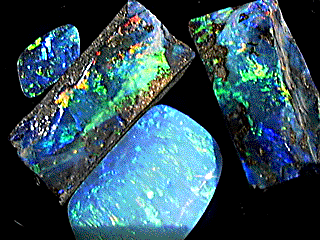
Historical Facts Of Opal
Refractive Index: 1.44 - 1.46
Chemical Composition: SIO2nH2O
Hardness: 5.5 - 6.0
Density: 2.65 - 3.00
Crystal Group: Amorphous
Ocurrence: Czechoslovakia, Mexico, Honduras, Australia, Brazil, Tanzania
Types: Milk opal, Resin opal, Wood opal, Menilite, Hyalite, Glass-clear opal
Color information: White, Green, Blue, Black, Red, Orange, Violet, Pink, Grey, Yellow
Gemstone Opal Jewelry
Bracelet |
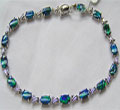 |
Earring |
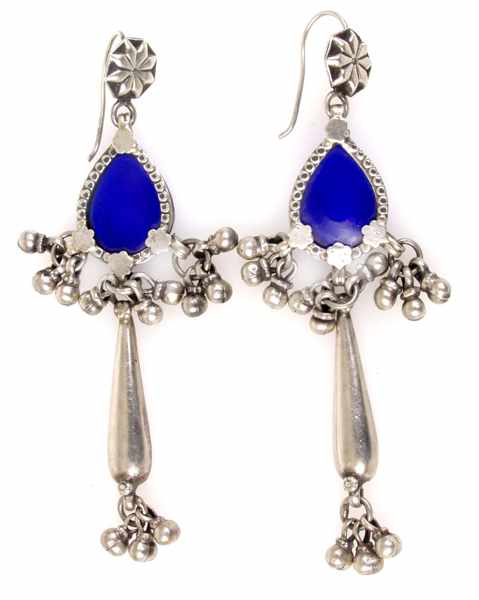 |
Necklace |
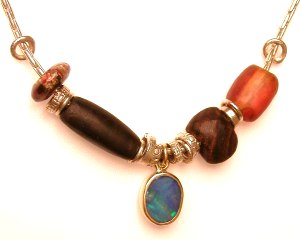 |
Ring |
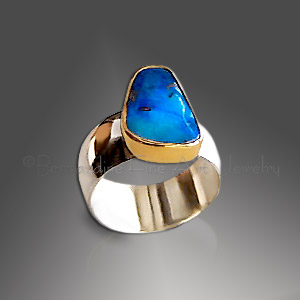 |
NOVEMBER BIRTHSTONE - CITRINE
COMMEMORATIVE EVENT - 13th Anniversary
KEYWORDS - Success, Abundance, Personal Power
ALSO KNOWN AS - Merchant's stone, Success stone
COLORS - Pale yellow to brown
OCCURRENCE - Brazil
COLOR ZONING - Tiger stripes or Zebra stripes
 |
|