|
|
|||||||||||||||||||||||||||||||||||||||||||||||||||||||||||||||||||||||||||||||||||||
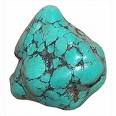
Glittering Stones >> Semi Precious Stones >> Semi Precious Stone Turquoise TurquoiseTurquoise is a beautiful blue opaque semi-precious gemstone. The highest grades are "robin's egg blue," and the color of the blue sky. Inferior grades are greenish. Turquoise that fades in color is also inferior. Turquoise is a phosphate of aluminum with small quantities of copper and also iron. The gem is slightly harder than glass. Ancient and yet always at the height of the current fashion: that is Turquoise for you. Its brilliant sky-blue belongs to the all-time favorite trend colour in the world of fashion and jewellery. HistoryIn many cultures of the Old and New World this gemstone had thousands of years been appreciated as a holy stone, a good-luck-charm and a talisman, it is actually virtual "peoples’ gemstone”. The oldest proof for that lies in Egypt, where in tombs from the period around 3500 B.C. there were found artifacts set with Turquoise. In the ancient Persian Kingdom the sky-blue gemstones were originally worn around the neck and on the hand as protection to ward off unnatural death. If the stones changed its colour, there was an imminent danger when worn. However, in the meantime it also has been uncovered that Turquoises could in fact change its colour, but this reaction is not necessarily an indication of danger impending. Also in South, Middle and in North America Turquoise has always been enjoying a special position among all gemstones. For example, the ancient Aztecs in Mexico used to decorate their ceremonial masks with this stone, a "holy stone” in its belief. The North American Indians, who are still producing quite a few pieces of its traditional silver jewellery set with Turquoises today, believed that the gemstone the colour of the sky would also establish a direct connection between the sky and the lakes. Turquoise will protect and let you enjoy life In earlier times Turquoises were sometimes thought quite responsible for the material wealth of their bearers. For example, Persian philosopher Al Kazwini wrote: "The hand wearing a Turquoise and using it as a sealing stone, would never be poor.” Turquoises were loved as ornaments decorating turbans, very often set in a border of pearls, in order to protect the wearer from the "evil eye”. They were used as talismans decorating daggers, scimitars and also for the horses’ bridles. Turquoise came to Europe only during the time of its crusades. And from this period comes the name "Turquoise”, which meaning simply "Turkish stone”. At all times in the history Turquoise was worn as protection to ward off the influence of dark and the evil powers. In former times thought to protect riders and horses from accidental falls, they are nowadays normally considered the ideal good-luck stones for aviators, flight staff and also other professions which need special assistance to ward off accidents. In the contemporary teachings of the Healing Power of a Stones, wearing
Turquoise is recommended to solve many problems caused by a depressed
outlook on life. The bright and its happy colour supposed to lend self-confidence
to subdued personalities, and it is also very popular for token of friendship,
since Turquoise is a reputed to be responsible for faithfulness and also
has reliable relationships.
|
||||||||||||||||||||||||||||||||||||||||||||||||||||||||||||||||||||||||||||||||||||||
|
||||||||||||||||||||||||||||||||||||||||||||||||||||||||||||||||||||||||||||||||||||||